
Key Takeaways
- Creative outlets like music, art, and crafts offer a way to express emotions
- Focus on enjoyable participation, not outcomes, to support brain health
- Involve your loved one in simple daily tasks to help them feel useful and included
- Gentle movement and social connections can reduce feelings of isolation
- Structured environments like memory care can provide comfort and social engagement
When a loved one is navigating the challenges of dementia, finding ways to connect and bring joy to their day is immeasurably valuable. Yet it can feel complicated to help them experience engagement and happiness while adapting to their changing abilities or interests.
Meaningful connections are still possible through simple, gentle activities that focus on enjoyment rather than achievement, especially in a supportive memory care environment.
Engaging your loved one in memory-enhancing activities, whether through music, crafting, or tactile, ordinary tasks, can spark positive emotions, create a sense of purpose, and strengthen your bond.
How Gentle Activities Support Brain Health
You can help a loved one with dementia feel more engaged and connected through simple, enjoyable activities. The goal is to focus on fun and participation, not on the outcome.
These moments provide meaningful ways to support a loved one and can create joy and a sense of accomplishment.
- Focus on abilities, not limitations
- Adapt activities to personal interests
- Keep a flexible and patient approach
- Create a calm and comfortable space
Creative and Artistic Ways to Connect
Art, music, and simple crafts can be powerful tools for expression and enjoyment. Participating in the arts may create paths to healthy aging. These activities tap into different parts of the brain and can bring comfort and happiness.
Listen to Favorite Music
Music often stays with a person long after other memories fade. You can create a playlist of their favorite songs from their youth to spark positive feelings and happy recollections.
Try Simple Crafts
Activities like painting with watercolors, sorting colorful beads, or working with modeling clay can be very calming. The tactile sensation also helps stimulate neural pathways, even for older adults living with advanced dementia.
Crafting can help reduce agitation and anxiety, contributing to an overall improvement in mood and emotional well-being. The act of creating art can offer significant benefits, nurturing a sense of purpose.
Look Through Photo Albums
Reminisce together by looking at old photos. You can talk about the people and places, and let your loved one share what they remember without any pressure.
Simple Everyday Tasks for a Sense of Purpose
Involving your loved one in light daily routines helps them feel useful and part of the household. It’s all about participation and feeling included, which can boost their spirits.
These simple habits provide tactile experiences that can engage their senses, promoting feelings of inclusion and purpose.
Consider activities you can do together, that don’t need to be completed perfect, and don’t have a hard time limit.
- Fold laundry together
- Simple cooking prep, like stirring or sorting ingredients
- Water plants or arrange flowers
- Set the table for meals
The Importance of Social Connection and Gentle Movement
Staying socially and physically active is important for everyone’s well-being. You can look for safe and comfortable ways for your loved one to interact with others and move their body.
Spend Time Outdoors
A short walk in a garden or a local park can be incredibly refreshing. The fresh air and change of scenery can lift spirits, provide gentle physical activity, and you can even play some simple outdoor games.
Connect with Family and Friends
You can arrange quiet visits with a few familiar people, keeping groups smaller to avoid overwhelming your loved one. Maintaining strong social ties can reduce feelings of isolation and bring comfort.
Try Chair Exercises
Simple, guided movements done while seated can help with circulation and mobility. Physical activities designed around balance aids offer a safe way to stay active and feel good.
A Supportive Environment for Your Loved One
Sometimes, a change in environment can make a world of difference. Communities that specialize in senior living and memory care offer structured activities and a supportive social atmosphere designed for individuals with cognitive changes.
- Programs designed to engage residents socially and creatively
- Structured daily routines provide comfort and predictability
- Safe spaces allow for independence and exploration
- Respite care options can offer short-term support for families
Engaging in these kinds of activities can truly enrich your loved one’s life, creating moments of joy and connection for both of you. A supportive setting makes it even easier to focus on what matters most—quality time together.
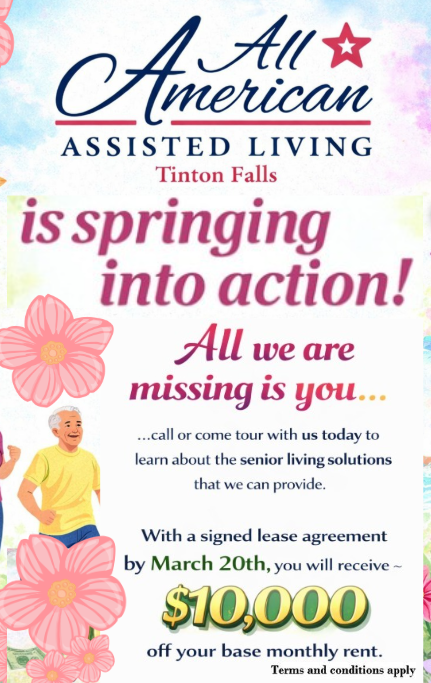
At All American Assisted Living at Tinton Falls, we built our community to help people thrive. You’re invited to see how our supportive approach to memory care can help your loved one find new opportunities for happiness and engagement. Reach out to learn more or to schedule a visit.