Key Takeaways
- Fall prevention design, like grab bars and good lighting, plays a big role in daily safety
- Fire safety equipment and clear emergency plans help protect residents at all times
- Secure access points and monitoring tools support residents who may be prone to wandering
- Well-trained staff and careful medication management are signs of a thoughtful community
- Touring in person gives you the chance to ask thoughtful questions and spot red flags early
Safety Features That Matter in Assisted Living
Choosing assisted living for a loved one is one of the most meaningful decisions a family can make. It’s natural to feel a little overwhelmed, and questions about safety are usually at the top of the list.
You want to know that your loved one is protected, comfortable, and cared for every single day.
Knowing what safety features to look for can help you feel more at ease about the community you choose and give your whole family peace of mind.
From fall prevention design to staff training, each piece works together to create a place where your loved one can truly thrive. Exploring assisted living services in detail can help you understand exactly what a thoughtful, well-rounded community looks like.
Physical Safety Features to Look For
Fall Prevention Design
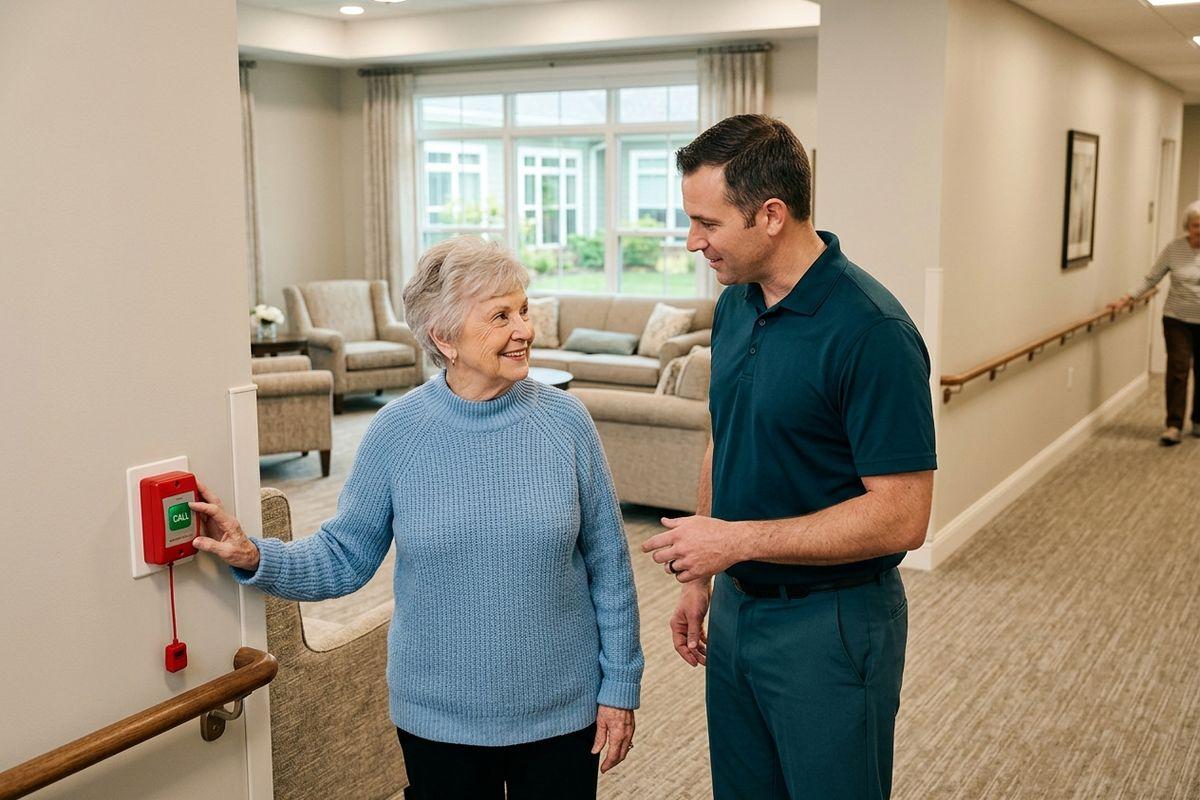
Falls are one of the most common concerns in senior homes. Practical design can make a real difference. Look for communities that have grab bars in bathrooms, handrails along hallways, and slip-resistant flooring throughout. These small details add up to a much safer daily environment.
Good lighting supports easy navigation. Hallways, bedrooms, and bathrooms should all be bright enough that your loved one can move around safely, even at night. Clear pathways with no clutter or hazards allow residents to walk freely without worry.
Home and community design play a meaningful role in reducing fall risk for older adults.
Fire Safety and Emergency Equipment
A well-prepared community takes fire safety seriously. Smoke detectors and sprinkler systems should be in place and regularly maintained throughout the building. Backup power systems help keep critical equipment running if the lights ever go out.
Emergency evacuation plans are an essential part of proactive safety. Team members should know their roles clearly, and evacuation routes should be posted and easy to follow. A community that has practiced these procedures regularly is ready when it matters most.
Secure Spaces and Wandering Prevention
Secure Access Points
For families with a loved one receiving memory care, secure access points are a top priority.
Memory care areas typically use keypad entry systems to keep residents safely within designated spaces. Monitored entrances and cameras at exits provide an added layer of protection throughout the day and night.
These features aren’t about restriction. Security in memory care helps create spaces where residents can move freely within a safe and familiar environment without the risk of wandering into unsafe areas.
Resident Monitoring Tools
Some communities use innovative technology to support safety and wellness. Wander alert wristbands can quietly notify staff if a resident approaches a door or exits an area they shouldn’t. Motion-activated lights help prevent evening stumbles.
Regular wellness checks and a visible staff presence help residents feel supported around the clock. When staff is attentive and engaged, residents feel both safe and respected. That combination is what makes a community feel like home.
Staff Training and Medication Safety
The people who work in a senior living community are just as important as the physical features of the building. Staff should be trained in emergency response, daily safety practices, and how to support residents with a wide range of needs.
Watching how staff interact with residents during a tour can tell you a lot. Exploring the services and amenities offered can help you get a clearer picture of how a community supports its residents day to day.
Medication management can make a significant difference in supporting safety and peace of mind. A thoughtful community offers reminders and support to help residents take the right medications at the right times.
Consistent hygiene and infection control practices are also signs that a community takes the health of its residents seriously.
Questions to Ask During a Tour
Safety and Staffing
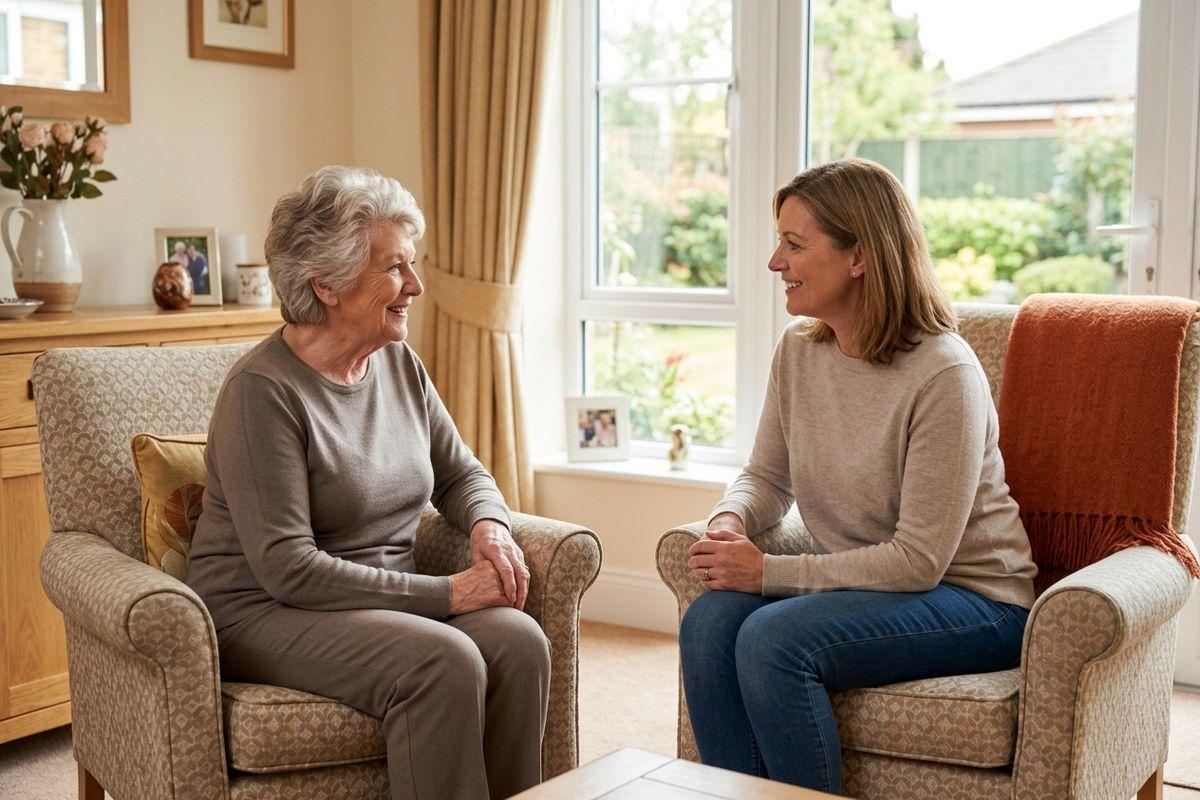
A tour is your chance to see a community up close and ask the questions that matter most to your family. A couple of helpful ones to start with include:
- What is the staff-to-resident ratio during the day and overnight?
- How does the team handle medical emergencies on-site?
The answers you get will help you understand how prepared and attentive the community really is. Don’t hesitate to ask follow-up questions if something isn’t clear.
Red Flags to Watch For
While you’re touring a senior living community, keep an eye out for a few things that might signal a concern:
- Poor lighting in common areas or unaddressed messes in hallways
- Staff seeming inattentive or distracted when interacting with residents
- Empty social schedules, no group activities, or interaction in common areas
- Vague or evasive answers about safety protocols signaling a lack of planning
Trust your instincts, and don’t be afraid to keep looking. Reading about how assisted living homes support families can also help you create a thoughtful list of questions before your visit.
Find a Community Where Your Loved One Can Feel Safe
Safety in assisted living goes far beyond secure doors and alarm systems. It’s about creating an environment where your loved one feels genuinely cared for, supported, and free to enjoy each day.
With All American Assisted Living at Tinton Falls, safety is woven into every part of life here. From thoughtfully designed spaces to compassionate, trained staff, our team is here to support your loved one’s safety and well-being.
Reach out today to schedule a tour and see firsthand what a warm, safe, and welcoming community looks like.