
Key Takeaways
- Keeping your mind active through enjoyable activities like puzzles, games, and learning new skills can support your cognitive health
- Social connections are a powerful form of mental stimulation, and sharing experiences with others helps keep your mind sharp
- A supportive community environment encourages regular engagement through structured activities and social events
- Different lifestyle options, such as assisted living, memory care, and respite care, provide tailored support for mental and social well-being
What Brain Health Means for You
As you move through life, staying mentally sharp is about more than just remembering facts. It’s about your ability to solve problems, engage in meaningful conversations, and continue enjoying the hobbies that bring you joy.
When your mind is active and stimulated, it has a positive ripple effect on your entire well-being and sense of independence. You have the power to nurture your cognitive wellness through simple, everyday actions.
In communities like All American Assisted Living at Tinton Falls, the focus is on supporting your whole well-being, and a key part of that is brain health.
Engaging your brain regularly with new challenges and social interactions is a wonderful way to support your long-term brain health. These activities can help you feel more connected and capable as you navigate the years ahead.
Simple Ways to Keep Your Mind Active
Embrace Fun and Games
Who said brain exercise has to feel like work? Many of the activities you already love are fantastic for your mind.
Doing a crossword puzzle with your morning coffee, playing a round of cards with friends, or getting lost in a good book are all ways to keep your cognitive functions engaged. These fun pastimes are some of the most accessible strategies for maintaining cognitive health.
These enjoyable activities challenge you to think in different ways. Puzzles and strategy games can help with memory, problem-solving, and attention. Strategy games like chess require you to plan ahead, while creative puzzles improve spatial reasoning.
- Work on jigsaw puzzles or Sudoku
- Play board games or card games
- Read books, magazines, or newspapers
- Listen to an engaging audiobook
Learn a New Skill
Learning something new at any age is an exciting adventure for your brain. When you learn a new skill, you create new pathways in your brain, which helps keep it flexible and strong.
You don’t need to start big—even small new experiences count. Think about something you’ve always wanted to try.
Maybe it’s learning a few chords on a guitar, taking up painting, or figuring out how to use a new app to talk with family. Participating in the arts can create wonderful paths to healthy aging, supporting independence, health, and mood.
The process of learning is just as important as the result, offering a sense of accomplishment and a boost to your self-esteem.
The goal is not mastery overnight. The benefit comes from the process of trying, solving small problems, and enjoying the journey. This process of active learning keeps your mind adaptable and curious.
How Social Connections Boost Mental Wellness
Connecting with other people is one of the most natural and effective ways to stimulate your mind.
Conversations require you to listen, process information, recall moments, and share your own thoughts. Every chat with a neighbor and every phone call with a loved one is a workout for your brain. If you ever feel stuck, you can find helpful conversation starters to get things flowing.
Sharing stories, laughing over a shared memory, or even debating a topic in a friendly way helps keep you mentally agile. Joining a book club or a walking group offers both social time and mental engagement.
Staying connected to the people around you is a key part of a vibrant, healthy lifestyle and can reduce social isolation. Organized social events, like game nights or group outings, provide regular opportunities to connect with others.
These structured yet relaxed settings make it easy to build a supportive social network that nurtures your mental and emotional health.
The Role of a Supportive Community
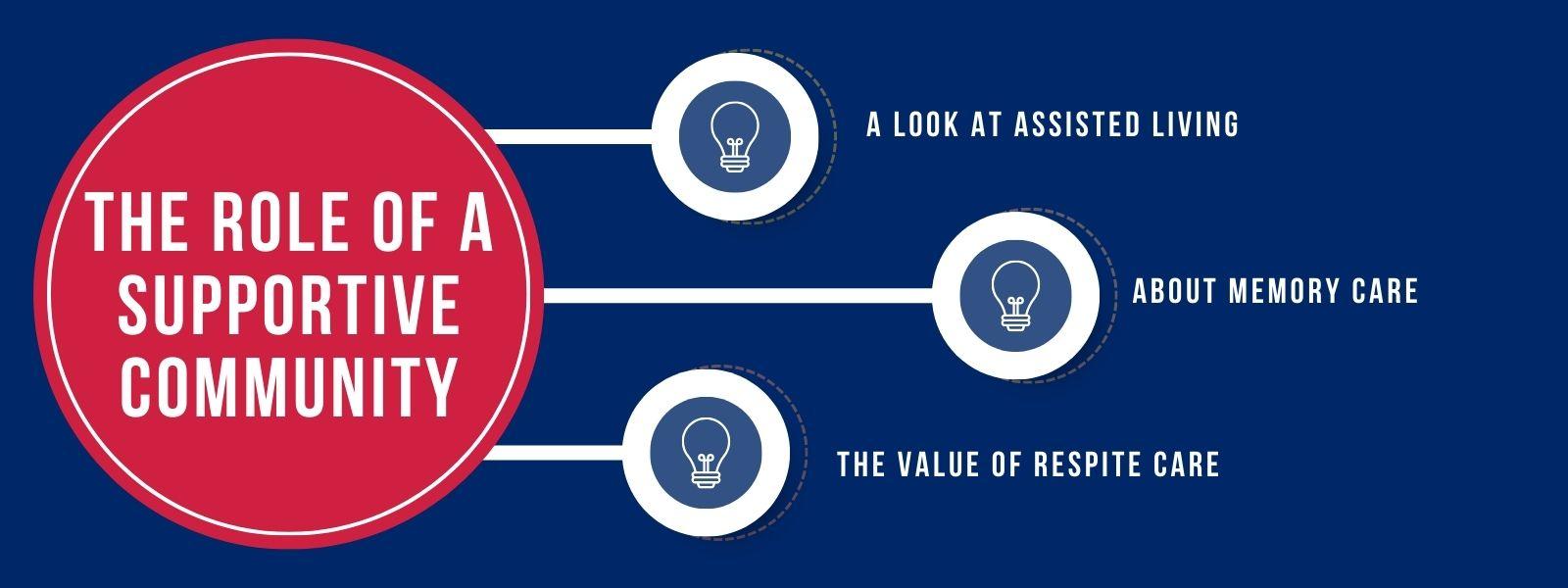
A Look at Assisted Living
An assisted living community is designed to make social and mental engagement easy and accessible. With a full calendar of activities, you can try new things and meet people who share your interests.
From group classes and educational seminars to social gatherings and outings, these opportunities are right outside your door. The blend of independence and support helps you stay engaged, freeing up your mental energy for activities you truly enjoy.
About Memory Care
For those who would benefit from specialized cognitive support, memory care programs offer a structured and nurturing environment.
Communities thoughtfully design activity programming to promote engagement and provide a sense of purpose for individuals experiencing cognitive changes, including various forms of dementia.
A compassionate team is there to offer support, creating a calm and reassuring atmosphere where you or your loved one can feel comfortable and understood. Activities are adapted to individual needs, promoting a sense of calm and belonging.
The Value of Respite Care
Sometimes, you need a little extra support on a short-term basis. Respite care offers a temporary stay in a senior living community. Older adults can use the time to recover after a hospital visit or to try out community life.
It gives you access to the same engaging activities and social opportunities as long-term residents, providing a refreshing change of pace while family caregivers get some peace of mind. Your loved one can benefit from readily available social opportunities and support.
Discover a More Vibrant Lifestyle
Focusing on your brain health is an investment in your independence and overall happiness. By embracing mental stimulation, social connections, and the right level of support, you can continue to live a full and enriching life.
It’s about finding joy in the everyday and continuing to grow, learn, and connect with others.
Our team at All American Assisted Living at Tinton Falls is here to help you find a lifestyle that helps you thrive. With a focus on community and well-being, you can find more time for your passions, hobbies, and loved ones.
Reach out to learn more about this vibrant senior living community and see the opportunities for yourself.